
Abdominal Ultrasound
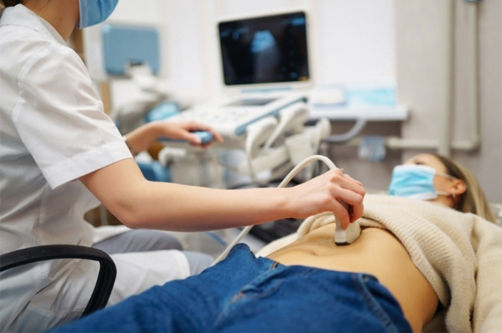
Ultrasound is, in most cases, the first imaging technique used to diagnose and characterize abdominal pathology. A complete abdominal ultrasound examines the liver, pancreas, gallbladder, kidneys, spleen, bladder and abdominal blood vessels such as the inferior vena cava and the aorta. A right upper quadrant (RUQ) ultrasound examines the liver, pancreas and gallbladder.
How to Prepare
Adults: do not eat or drink 8 hours before the exam. Children: do not eat or drink 4 hours before the study, or skip one meal. Take medications with a small sip of water. If you are diabetic, please take your insulin.
Common Reasons for This Exam
abdominal, flank or back pain; jaundice or blood in the urine; a palpable abdominal mass or enlarged organ; abnormal lab results; abdominal trauma; urinary tract infection and hydronephrosis; free fluid in the abdomen; suspected congenital abnormalities; pre and post transplant evaluation; uncontrolled hypertension and suspected renal artery stenosis.
What This Ultrasound Can Find
aortic aneurysm, atherosclerosis, ascites, gallstones, cholecystitis, kidney stones, hydronephrosis, mass or cyst of abdominal organs, pancreatitis, enlarged spleen, enlarged liver, cirrhosis, fatty liver disease.