
Women's Health: The Importance of Preventative Imaging

Women's health is a multifaceted subject that encompasses various aspects of physical, mental, and emotional well-being. One critical area that often gets overlooked is the role of preventative imaging in maintaining health and detecting potential issues early. This blog post will explore the significance of preventative imaging for women, the types of imaging available, and how these technologies can empower women to take charge of their health.

Understanding Preventative Imaging
Preventative imaging refers to the use of medical imaging technologies to detect health issues before they become serious. This proactive approach can lead to early diagnosis and treatment, significantly improving health outcomes.
The Role of Imaging in Women's Health
Women face unique health challenges, including reproductive health issues, breast cancer, and osteoporosis. Preventative imaging plays a vital role in identifying these conditions early. For instance, mammograms can detect breast cancer at a stage when it is most treatable. Similarly, pelvic ultrasounds can help identify issues related to the reproductive system.
Types of Preventative Imaging
Mammography
Purpose: Primarily used for breast cancer screening.
Recommendation: Women aged 40 and older should have annual mammograms, or earlier if they have a family history of breast cancer.
Ultrasound
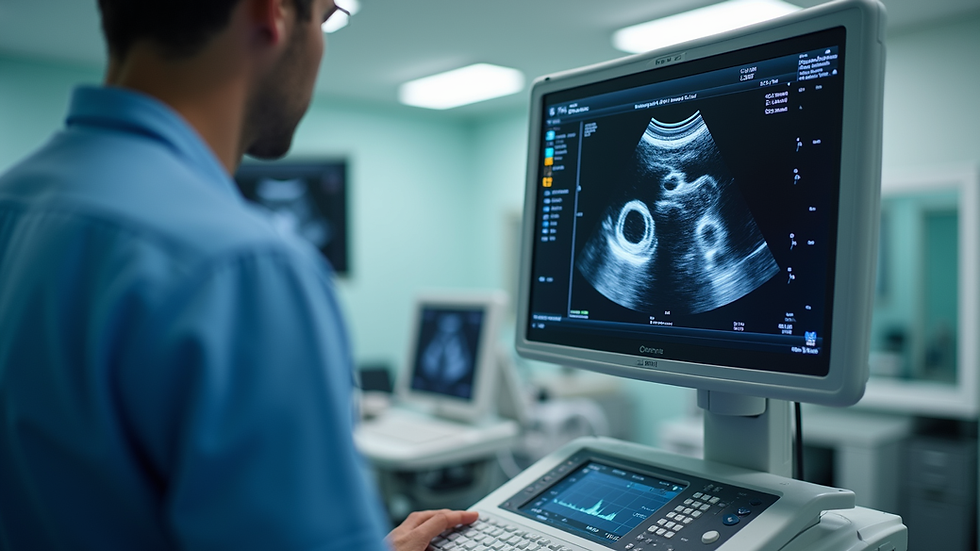
Purpose: Used for various purposes, including monitoring pregnancy and examining pelvic organs.
Recommendation: Often recommended for women experiencing pelvic pain or irregularities.
Bone Density Scans
Purpose: Assess bone health and risk of osteoporosis.
Recommendation: Women over 65 or those with risk factors should consider regular screenings.
MRI (Magnetic Resonance Imaging)
Purpose: Provides detailed images of soft tissues, useful for diagnosing various conditions.
Recommendation: May be recommended for women with a high risk of breast cancer or other specific health concerns.
CT Scans (Computed Tomography)
Purpose: Offers detailed images of internal organs and structures.
Recommendation: Used in specific cases where other imaging methods are inconclusive.
The Benefits of Preventative Imaging
Early Detection Saves Lives
One of the most significant advantages of preventative imaging is the potential for early detection of serious health issues. For example, studies show that regular mammograms can reduce breast cancer mortality by up to 30%. Early detection allows for less aggressive treatments and better survival rates.
Empowerment Through Knowledge
Preventative imaging empowers women by providing them with knowledge about their health. Understanding one's body and potential risks can lead to informed decisions regarding lifestyle changes, treatment options, and preventive measures.
Cost-Effectiveness
While some may view preventative imaging as an unnecessary expense, it can actually save money in the long run. Early detection often leads to less expensive treatments and fewer complications. For instance, treating early-stage breast cancer is typically less costly than treating advanced-stage cancer.
Overcoming Barriers to Preventative Imaging
Despite the clear benefits, many women face barriers to accessing preventative imaging. These can include:
Cost: High out-of-pocket expenses can deter women from seeking necessary screenings.
Lack of Awareness: Some women may not be aware of the importance of regular imaging.
Fear and Anxiety: Concerns about the procedures or potential results can prevent women from scheduling appointments.
Strategies to Encourage Preventative Imaging
Education and Awareness Campaigns
Healthcare providers can play a crucial role in educating women about the importance of preventative imaging. Workshops, seminars, and informational brochures can help raise awareness.
Financial Assistance Programs
Many organizations offer financial assistance for women who cannot afford imaging services. Providing information about these resources can help alleviate financial concerns.
Support Groups
Creating support groups for women can help address fears and anxieties related to imaging. Sharing experiences can empower women to take charge of their health.
The Future of Preventative Imaging
As technology advances, the future of preventative imaging looks promising. Innovations such as artificial intelligence (AI) are being integrated into imaging processes, improving accuracy and efficiency. For example, AI can assist radiologists in identifying abnormalities in mammograms, leading to quicker diagnoses.
Personalized Imaging Approaches
The future may also see more personalized imaging approaches based on individual risk factors. Genetic testing can help determine a woman's risk for certain conditions, guiding tailored imaging schedules and methods.
Conclusion
Preventative imaging is a crucial component of women's health that can lead to early detection and better health outcomes. By understanding the importance of these screenings and overcoming barriers to access, women can take proactive steps toward maintaining their health.
Encouraging regular imaging not only saves lives but also empowers women to make informed decisions about their health. As technology continues to evolve, the potential for improved imaging techniques will further enhance women's health care.
Take charge of your health today. Schedule your preventative imaging appointment and encourage the women in your life to do the same. Your health is worth it.

Comments